



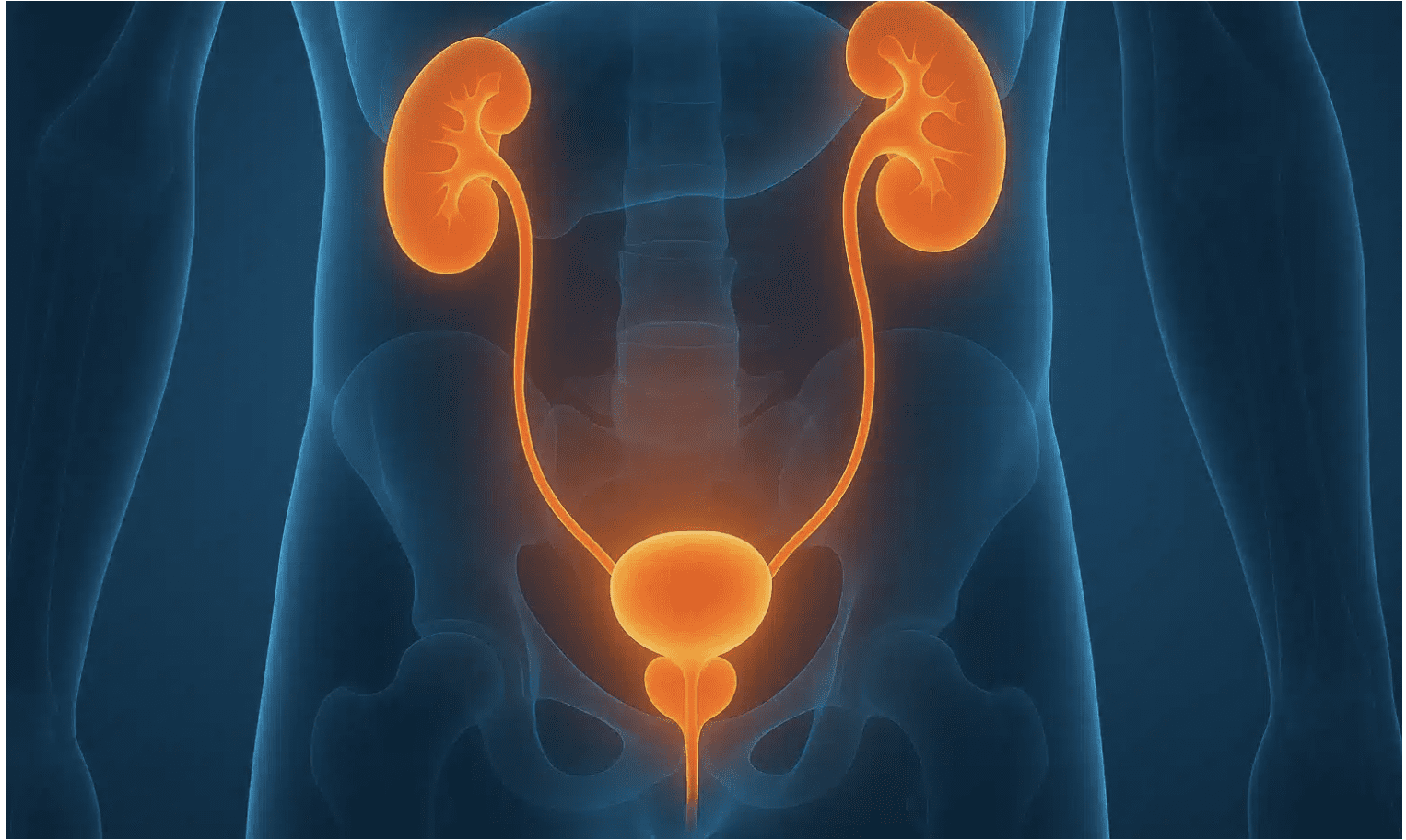
Is Difficulty Urinating Always Caused by the Prostate?
Difficulty urinating is a common concern, particularly among men, and is often immediately associated with prostate problems. However, this assumption is not always accurate. While the prostate can play a significant role, difficulty during urination may also be linked to various other conditions involving the bladder, urinary tract, or nervous system. Understanding the possible causes is important for a more accurate perspective.
What Is Difficulty Urinating?
Difficulty urinating refers to problems such as a weak urine stream, straining during urination, delayed initiation, or a sensation that the bladder is not fully emptied. These symptoms can vary in severity and may affect daily comfort and quality of life.
Is It Always Related to the Prostate?
Although prostate enlargement is one of the most well-known causes, not every case of difficulty urinating is related to the prostate. This common misconception may lead individuals to overlook other potential causes. A broader evaluation helps in understanding the underlying issue more clearly.
Possible Causes of Difficulty Urinating
Benign Prostatic Hyperplasia (BPH)
With aging, the prostate gland may enlarge and place pressure on the urethra, making it more difficult for urine to pass.
Urethral Stricture
A narrowing of the urethra can restrict urine flow. This may develop due to various factors and can lead to noticeable difficulty during urination.
Weak Bladder Function
The bladder muscles play a key role in pushing urine out. If these muscles are weakened, the bladder may not empty effectively.
Urinary Tract Infections
Infections in the urinary system can cause discomfort, difficulty urinating, and increased frequency.
Neurological Factors
The process of urination is controlled by the nervous system. Disruptions in nerve signals can interfere with normal bladder function.
Which Symptoms Should Be Noticed?
Difficulty urinating should be considered along with other symptoms, including:
- Weak or interrupted urine flow
- Hesitation when starting urination
- Frequent urge to urinate
- Waking up at night to urinate
- Feeling of incomplete bladder emptying
- Discomfort or burning sensation
When Should It Be Evaluated?
In some cases, these symptoms may be temporary. However, if they persist, worsen over time, or begin to interfere with daily life, they should be evaluated more carefully. Especially in older individuals, identifying the cause can help clarify the situation.
Conclusion
Difficulty urinating is a common symptom, but it should not be attributed to a single cause. While the prostate is an important factor, it is not always the only explanation. Considering multiple possible causes allows for a more accurate understanding and helps guide appropriate evaluation.
Social Media